Comfrey: The Old-World Herb That Supports Skin Repair
Long before modern skincare labs and synthetic formulas, people turned to the land for healing. Comfrey was one of those trusted plants — grown near cottages, barns, and gardens, always within reach when skin or bodies needed support.
Often called “knitbone” in traditional herbalism, comfrey earned its reputation not because it worked fast or dramatically, but because it worked steadily and reliably, supporting the body’s natural repair processes over time.
A brief history of comfrey
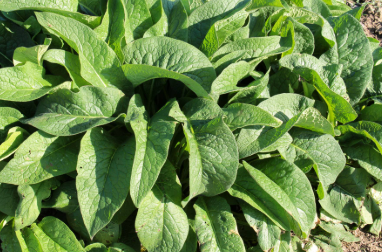
Comfrey has been used for centuries across Europe and the UK in poultices, oils, and salves. Farmers, gardeners, and labourers relied on it for skin that was cracked, overworked, or slow to recover after long days of physical work.
It wasn’t about masking discomfort — it was about supporting the body while it healed itself. That philosophy is exactly why comfrey still has a place in traditional, farm-style skincare today.
How comfrey works on the skin
Comfrey leaves naturally contain compounds that have long been valued for their skin-supportive properties, particularly allantoin. Allantoin is known for encouraging skin renewal and helping soften rough, damaged tissue.
When comfrey is slowly infused into oil:
The oil becomes a carrier for these plant compounds
The infusion can deeply nourish dry, compromised skin
The skin is supported to regenerate rather than just being coated or sealed
This makes comfrey especially suited to hardworking skin — the kind that cracks, thickens, or struggles to bounce back.
Why comfrey is ideal for aches, fatigue & recovery
Traditionally, comfrey was applied after physical exertion — farming, gardening, lifting, or long days on your feet. When massaged into the skin, comfrey-infused oil supports comfort in areas that feel tight, tired, or overworked.
Paired with gentle massage, it becomes more than skincare — it becomes a ritual of recovery, encouraging circulation, relaxation, and relief.
Why we use comfrey the old-fashioned way
At Migasoka Farm, comfrey isn’t rushed or over-processed. Leaves are:
Grown naturally
Harvested with care
Slowly infused into extra virgin olive oil over time
This slow infusion matters. It respects the plant, preserves its traditional qualities, and results in a balm that feels alive, nourishing, and grounding — not synthetic or overly perfumed.
Beeswax is then added to create a protective, breathable layer that helps seal in moisture while allowing the skin to function naturally.
Who comfrey is best suited for
Comfrey shines for people who:
Use their bodies every day
Work outdoors or with their hands
Experience dry, thickened, or slow-to-heal skin
Want fewer ingredients, not more products
It’s not trendy. It’s not flashy.
It’s dependable — and that’s exactly the point.
A herb that reminds us to slow down
Comfrey teaches patience. It doesn’t promise overnight miracles, but it rewards consistency, care, and respect for the body’s natural intelligence.
In a world obsessed with quick fixes, comfrey quietly reminds us that healing is a process — not a product.
Comfrey: Why It Was Called “Knitbone” — and How to Use It Wisely
Comfrey is one of those herbs that carries its history in its nickname. Long before ingredient lists and clinical claims, people named plants after what they observed them doing. And comfrey earned one of the most memorable names in herbal history: knitbone.
Why comfrey was called “knitbone”
The name knitbone comes from centuries of traditional use where comfrey was applied externally to:
Bruises
Strains and sprains
Overworked muscles and joints
Slow-to-recover skin
Herbalists noticed that areas treated with comfrey seemed to recover more quickly and comfortably, particularly after physical injury or heavy labour. The plant became associated with “knitting” or “joining” tissues back together — not in a literal bone-setting sense, but by supporting the body’s natural repair response.
This reputation is largely linked to allantoin, a naturally occurring compound in comfrey leaves that supports:
Skin cell renewal
Softening of rough or damaged tissue
Faster turnover of the skin’s outer layers
In simple terms, comfrey encourages the skin to repair itself efficiently, which is why it became so valued by farmers, labourers, and herbal practitioners.
How comfrey works on the skin
When comfrey leaves are slowly infused into oil, the infusion becomes deeply nourishing and skin-supportive. Applied with massage, it helps:
Soften thick, dry, or damaged skin
Support comfort in tight or fatigued areas
Encourage recovery after physical strain
This makes comfrey ideal for aches, muscle fatigue, stiff joints, and hardworking skin — especially when used consistently rather than as a one-off fix.
Why comfrey should NOT be used on infected or open wounds
This is where traditional wisdom becomes especially important.
Because comfrey supports rapid tissue repair, it can encourage the skin to close too quickly. If applied to:
Infected wounds
Deep punctures
Open or weeping skin
Areas with trapped bacteria
…the surface may heal over before the underlying tissue has cleared the infection, potentially trapping bacteria inside. This is why experienced herbalists have always taught that comfrey is best used on:
Closed skin
Bruises and strains
Healed cuts
Dry, cracked, or intact skin
—not on active infections or unclean wounds.
In traditional practice, wounds were first cleaned, treated, and allowed to begin healing before comfrey was introduced later in the recovery phase.
When comfrey truly shines
Comfrey is most powerful when used:
After the skin has closed
On areas that feel tight, sore, or slow to recover
For long-term maintenance of hardworking bodies
As part of a regular self-care ritual
This is why it remains a staple in balms for farmers, gardeners, tradespeople, and active bodies — people who don’t need trends, just something that works.
A herb that teaches respect for healing
Comfrey reminds us that healing isn’t about forcing results. Used correctly, it supports the body’s natural intelligence. Used carelessly, it can rush a process that needs patience.
That balance — knowing when to apply support — is what traditional herbalism was always about.
At Migasoka Farm, we honour that knowledge by using comfrey the old way: slowly infused, simply formulated, and intended for intact skin that needs comfort, nourishment, and recovery — not shortcuts.